General Surgery
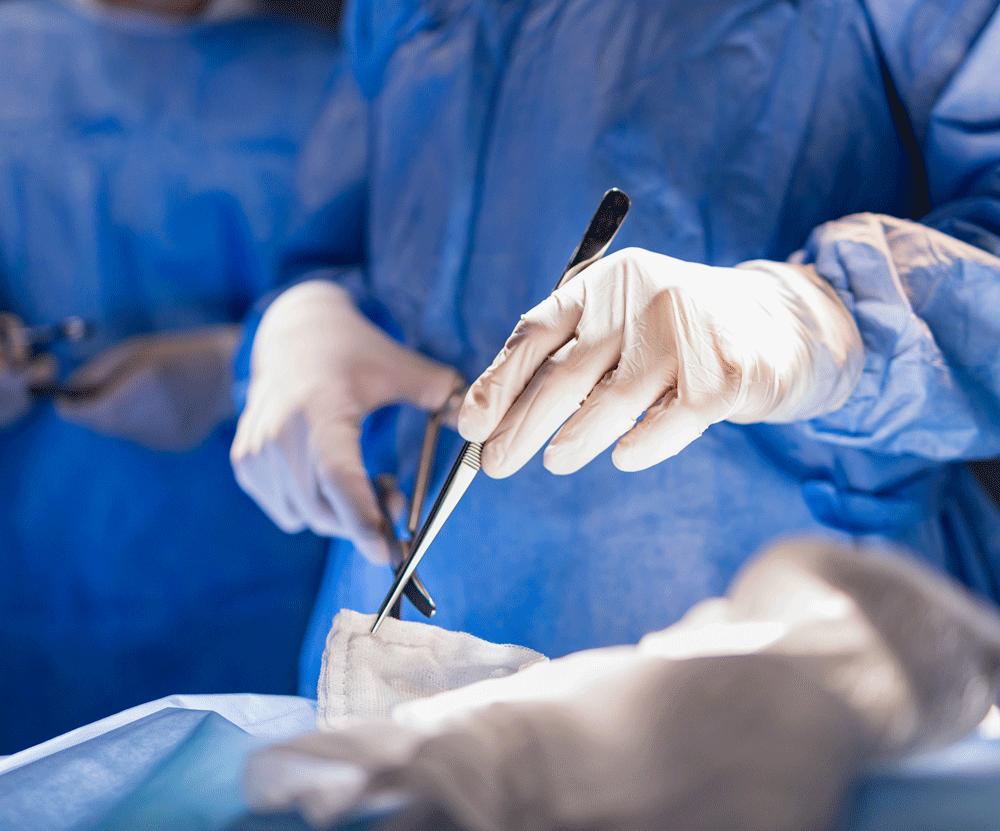
State-of-the-Art Surgical Care Close to Home
Memorial Health System has been offering its patients advanced surgical services for many years. In 2004, the hospital expanded those services by opening a state-of-the-art, award-winning outpatient surgery center. The Outpatient Center features the largest outpatient surgery services in Southwest Oklahoma.
Although we continue to expand and improve upon our services, we will always remember what is most important… our patients. A pre-operative consultation with an anesthesiologist ensures each patient goes into any surgery, whether it is a general surgery or a heart surgery, with an extensive review of past medical history. Patients are also well informed about what to expect before, during, and after their surgery. And you can still count on the same attentive care by some of the most highly skilled and caring nurses in the area.
If you are ever in need of a surgery procedure, either in-patient or out-patient, remember Memorial Health System of Southwest Oklahoma.
Our Commitment to Your Comfort and Care
You’re an important person to us–our reason for being here. We intend to make your stay as pleasant and comfortable as possible.
At Memorial, a team of physicians, nurses, therapists, technicians, dietitians, and many others work day and night to ensure quality medical care delivered with a sincere concern for your well–being. Though many of us will never have the privilege of meeting you, we are all working together to serve your immediate health care needs.
This Patient and Visitor guide is intended to help you during the uncertainty and adjustment that comes with a hospital stay. In the following pages, you’ll find useful information about the many patient services available to you as well as helpful policies.

Additional Information
Click on the buttons below to view more information
Precision Beyond the Scalpel
With technical advances today, surgery does not necessarily mean large incisions, as in the past. Depending on the type of surgery, there are several surgery methods that may be performed. Read about the different surgical techniques below.

Open Surgery
An “open” surgery means the cutting of skin and tissues so that the surgeon has a full view of the structures or organs involved. Examples of open surgery are the removal of the organs, such as the gallbladder or kidneys.
Bronchoscopy
The examination of the bronchi (the main airways of the lungs) using a flexible tube (bronchoscope). Bronchoscopy helps to evaluate and diagnose lung problems, assess blockages, obtain samples of tissue and/or fluid, and/or to help remove a foreign body.
Minimally Invasive Surgery
Minimally invasive surgery is any technique involved in surgery that does not require a large incision. This relatively new approach allows the patient to recuperate faster with less pain. Not all conditions are suitable for minimally invasive surgery.
Gastroscopy
Examining the lining of the esophagus, stomach, and the first part of the small intestine with a long viewing tube.
Hysteroscopy
A visual inspection of the cervical canal and uterine cavity with an endoscope.
Laparoscopy
A test that uses a tube with a light and a camera lens at the end (laparoscope) to examine organs and check for abnormalities. Laparoscopy is often used during surgery to look inside the body and avoid making large incisions. Tissue samples may also be taken for examination and testing.
Sigmoidoscopy
Examination of the rectum and sigmoid colon with a viewing tube.
Cystoscopy
Inserting a viewing tube up the urethra to examine the urethra and bladder cavity.
Endoscopy
A test that uses a small, flexible tube with a light and a camera lens at the end (endoscope) to examine the inside of part of the digestive tract. Tissue samples from inside the digestive tract may also be taken for examination and testing.
Laryngoscopy
Inspecting the larynx (voice box) with a mirror or viewing tube.
Arthroscopy
With the use of an endoscope, surgeons can look at the interior of a joint. This technique is most often used to inspect the inside of the knee joint.
Meet Our Providers
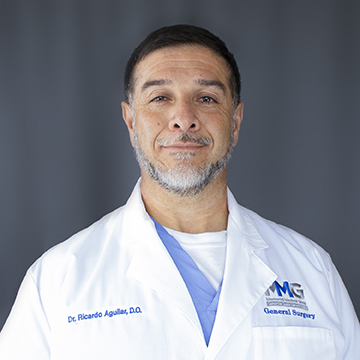
Ricardo Aguilar
DO
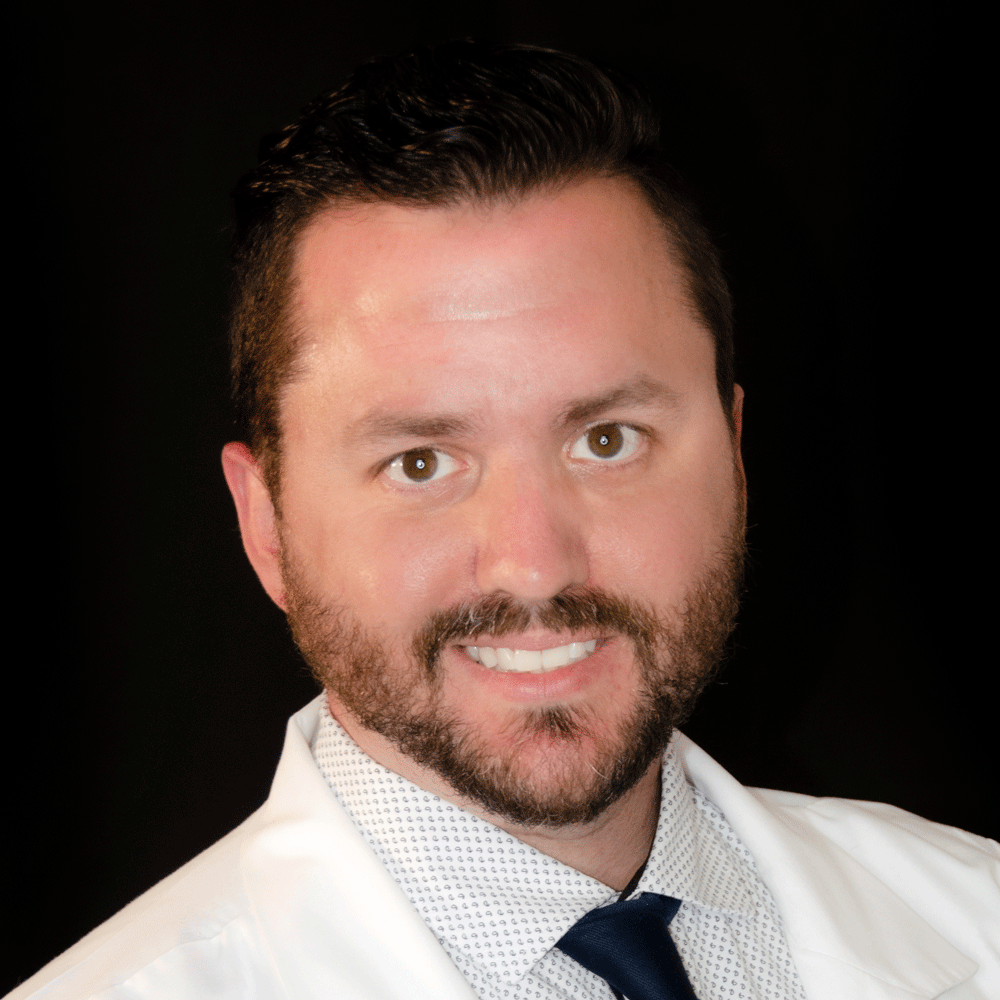
Dallas England
APRN-CNP
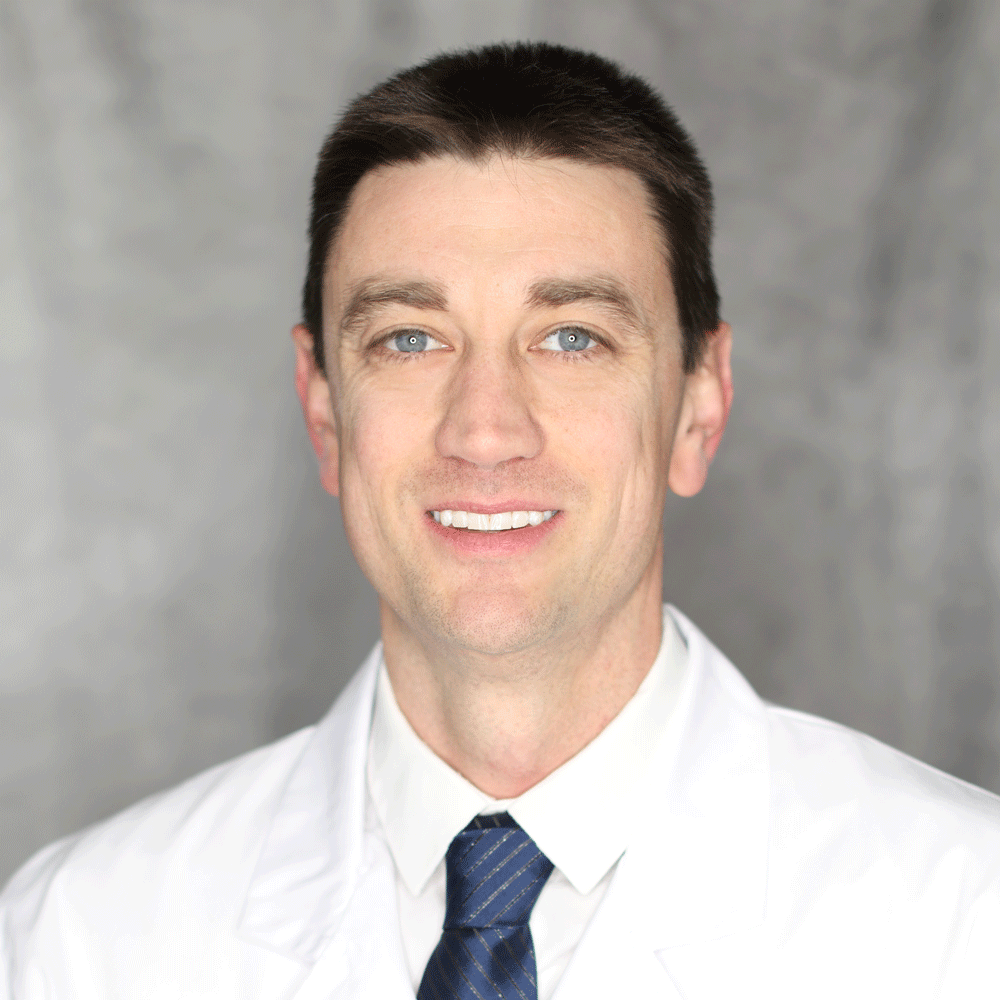
Alexander Funkhouser
MD
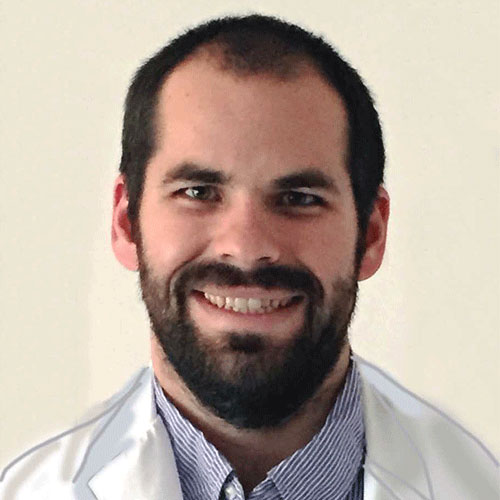
Max Goates
DO
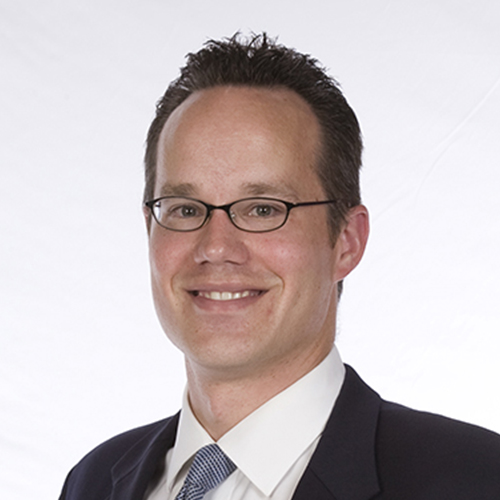
Daniel Morgan
MD
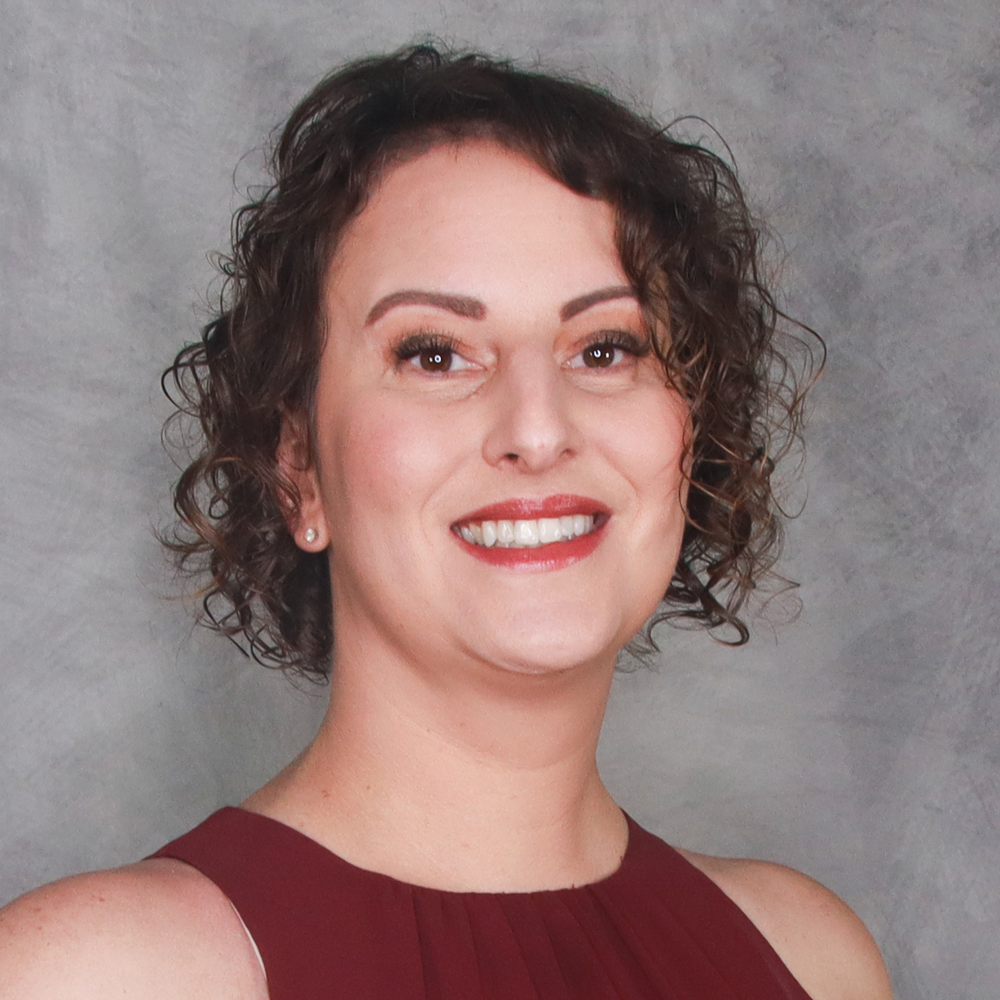
Kristi Pratt
MSN, APRN, AGACNP/FNP-BC
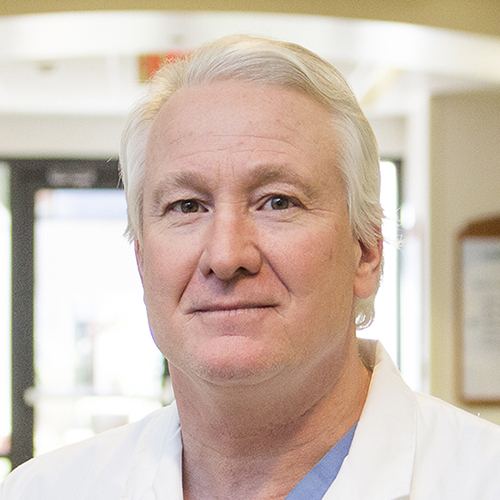
Michael Sawyer
MD, FACS
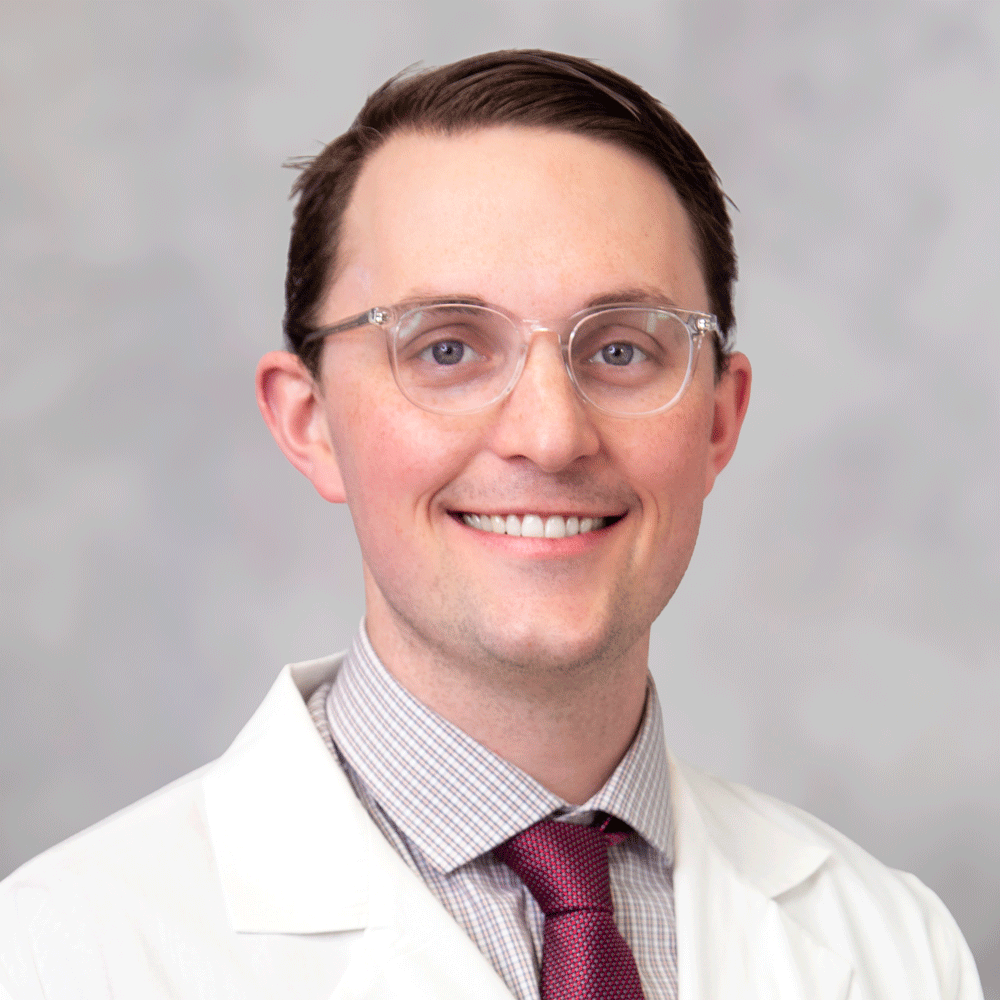
J. Connor Wilkinson
MD
Contact Us

Phone
580.510.7042
Text: 580.510.7044

Address
110 NW 31st Street
Lawton, OK 73505