Neurology
Advanced Neurological Treatment and Procedures
Memorial Health Neurology and Neurosurgery offers our patients access to some of the world’s most advanced neurology, spine treatments and procedures. Our approach is to combine the least invasive with the most effective, proven treatment available, specifically tailored for each patient. Our team is comprised of several Board Certified Neurologists and Neurosurgeons, specialty trained nurses, and surgical technicians. Our surgeons are from Oklahoma and have practiced here since 2000.
The training, clinical experience, and scientific research of our Memorial neurologists are driven by a sincere dedication to exemplary medical care. Our neurologists specialize in a multitude of conditions and procedures.
We routinely recommend that surgical options be considered only after all non-operative treatments have been exhausted. In fact, we believe avoiding surgery is, in many cases, the smartest path to achieving the most successful result. We will recommend surgical treatment only when, based on our years of experience in treating patients with similar conditions, the likely benefits will dramatically improve the patient’s quality of life.
If you are experiencing some type of chronic back or neck pain, it is important you contact us right away.
Brain Conditions
Brain Tumors
When you have a brain tumor, your Neurologist is often the first to diagnose the problem with diagnostic tests such as an MRI. Your Neurologist will then work with your medical team to determine the best form of treatment. Treatment may include surgery, radiation, and chemotherapy.
Dementia
There are many types of dementia. It is a disease that affects memory, social abilities and thinking severely enough to interfere with daily activities. Alzheimer’s disease is the most common cause of a progressive dementia in elderly patients, but there are a number of causes of dementia. Your Memorial Neurologist is trained to diagnose and assess dementia to ensure you receive the best care possible.
Neuropathy
Neuropathy (also called peripheral neuropathy) is a condition that affects the normal activity of the nerves of the peripheral nervous system. The peripheral nervous system is made of the nerves that connect the central nervous system (brain and spinal cord) to the rest of the body. Neuropathy occurs as a result of nerve cells receiving damage or being destroyed. The way the neurons communicate with each other and with the brain is affected resulting in a variety of symptoms including tingling, numbness, weakened muscles and others.
Your Memorial Neurologist begins by identifying and treating any underlying medical problem causing your neuropathy such as diabetes or infections. Your treatment plan may include therapy, medication, mechanical aids such as braces or specially designed shoes, and healthy habits such as proper nutrition and maintaining a healthy weight.
Seizures
A seizure is a sudden, uncontrolled electrical disturbance in the brain. It may cause changes in behavior, movements or feelings, and in levels of consciousness.
Most seizure disorders can be controlled with medication. Your Memorial Neurologist will work with you to balance seizure control and medication side effects. He or she will order tests to rule out other conditions that cause seizures or similar symptoms.
Stroke
When blood flow to a part of the brain stops, a stroke occurs. If blood flow is cut off for longer than a few seconds, the brain cannot get nutrients and oxygen. Brain cells can die, causing lasting damage. Stroke care varies from patient to patient depending on the areas of the body affected. Your Neurologist can work with you to help prevent future strokes through medication and various tests to determine the cause of your stroke.
Intracranial Hematoma
An intracranial hematoma is a collection of blood in the skull. It is often caused by trauma or a rupture of a blood vessel inside the brain.
Hematoma treatment often involves surgery:
- Surgical drainage: If the blood is localized and isn’t clotting a lot, your doctor might create a burr hole through your skull and use suction to remove the liquid.
- Craniotomy: Large hematomas may require your surgeon to open the skull to remove the blood.
Huntington’s Disease
Huntington’s disease is an inherited disease causing the degeneration of nerve cells in the brain. Huntington’s has a big impact on patient’s abilities and often results in cognitive, psychiatric and movement disorders.
Treatments can’t prevent the physical, mental and behavioral decline that results from this condition, but your Memorial Neurologist can prescribe medications to help manage the symptoms of Huntington’s disease.
Hydrocephalus
Hydrocephalus is a buildup of fluid inside the skull that leads to brain swelling. The goal of treatment is to reduce or prevent brain damage by improving the flow of CSF. Surgery may be done to remove a blockage, if possible. If not, a flexible tube called a shunt may be placed in the brain to reroute the flow of CSF. The shunt sends CSF to another part of the body, such as the belly area, where it can be absorbed.
Other treatments may include:
- A procedure called endoscopic third ventriculostomy (ETV), which relieves pressure without replacing the shunt.
- Removing or burning away (cauterizing) the parts of the brain that produce CSF.
Headaches
Pain or discomfort in the face or head is often the result of a headache. Headaches vary greatly from patient to patient. Pain intensity, location, and how frequently they occur is different for each individual.
After assessing your medical history, your Memorial Neurologist will work to discover triggers to your headaches. He or she may recommend certain lifestyle changes to avoid headaches as well as medications.
Sometimes headaches require immediate medical attention. A patient may undergo observation in the hospital, diagnostic tests, or even surgery. Treatment varies based on the underlying condition causing the headache.
Parkinson’s disease
Parkinson’s disease is a progressive nervous system disorder affecting movement. Symptoms start gradually. Oftentimes, it begins as a barely noticeable tremor in one hand. Although tremors is the symptom many associate with the disease, stiffness or slowing of movement is also common.
Although your Neurologist cannot cure your Parkinson’s, medications sometimes greatly improve symptoms. Sometimes your Memorial Neurosurgeon may recommend surgery to improve your symptoms and regulate certain regions of your brain.
Spinal & Neck Conditions
Herniated Disk
The rubbery cushions between the individual bones (vertebrae) that make up your spine are known as disks. A herniated disk occurs when some of the softer part of the disk pushes out of a tear in the tougher exterior. Most herniated disks are known as herniated lumbar disks because the problem occurs in your lower back (lumbar spine). They can also occur in your neck (cervical spine). This is known as a herniated cervical disk.
The first treatment for a herniated disk is a short period of rest and taking medicines for the pain. This is followed by physical therapy. Most people who follow these treatments recover and return to normal activities. If further treatment is needed, your Memorial Neurologist may recommend steroid injections or surgery.
Spinal Tumors
A spinal tumor is a growth of cells (mass) in or surrounding the spinal cord.
Any type of tumor may occur in the spine, including:
- Leukemia
- Lymphoma
- Myeloma
Treatments include:
- Corticosteroids
- Emergency surgery
- Radiation therapy
- Chemotherapy
- Physical therapy
Neck Pain
Neck pain can result for many reasons such as
- Herniated cervical disc
- Cervical disc degeneration
- Injury
- Arthritis
- Congenital abnormalities of the vertebrae and bones
- Tumors
After determining the reason for neck pain, treatment may include
- Exercise
- Rest
- Medication
- Neck brace or immobilization
- Physical therapy
- Surgery
Radiculopathy
Your spine consists of many bones called vertebrae. Your spinal cord is inside a canal in the center of these bones. Nerve roots split from the cord and travel between the vertebrae. When the nerve roots are pinched or damaged, this results in radiculopathy. Nonsurgical treatment is often recommended first. Surgery sometimes reduces the pressure on the nerve root by widening the space where the nerve roots exit the spine.
Spondylolisthesis
Spondylolisthesis is a condition in which a bone (vertebra) in the spine moves forward out of the proper position onto the bone below it. Treatment depends on how severely the vertebra has shifted out of place. Most people get better with exercises that stretch and strengthen lower back muscles. Your provider may also recommend:
- A back brace to limit spine movement
- Pain medicine (taken by mouth or injected into the back)
- Physical therapy
- Surgery to fuse the shifted vertebrae in severe cases
Spinal Stenosis
Spinal stenosis is narrowing of the spinal column that causes pressure on the spinal cord, or narrowing of the openings (called neural foramina) where spinal nerves leave the spinal column.Your Memorial provider may refer you for physical therapy. Medication may help as well as epidural spinal injection (ESI), which involves injecting medicine directly into the space around your spinal nerves or spinal cord.
Other Conditions
Carpal Tunnel Syndrome
Carpal tunnel syndrome is a condition in which there is excessive pressure on the median nerve. This is the nerve in the wrist that allows feeling and movement to parts of the hand. Carpal tunnel syndrome can lead to numbness, tingling, weakness, or muscle damage in the hand and fingers. Your Memorial Neurologist may recommend wearing a splint for several weeks, placing warm and cold compresses on the affected area, and avoiding sleeping on your wrists. If these recommendations do not help, he or she may perform carpal tunnel release. This is a surgical procedure that cuts into the ligament that is pressing on the nerve.
Sciatica
Sciatica refers to pain, weakness, numbness, or tingling in the leg. It is caused by injury to or pressure on the sciatic nerve. Sciatica is a symptom of a medical problem. It is not a medical condition on its own. As sciatica is a symptom of another medical condition, the underlying cause should be identified and treated. In some cases, no treatment is required and recovery occurs on its own. Conservative (non-surgical) treatment is best in many cases.
Ulnar Neuropathy
Ulnar neuropathy puts pressure on the ulnar nerve when the elbow is bent. This reduces the supply of blood to the nerve. Over time, this causes damage to the nerve. When the “funny bone” is hit, this pulls the ulnar nerve into the bony groove of the cubital tunnel. This leads to a characteristic tingling sensation in the small and ring fingers. Your Memorial Neurologist may recommend exercises to help prevent stiffening in your arm and wrist and to aid the ulnar nerve to move through the cubital tunnel. If physical therapy does not help, your Neurologist may recommend ulnar nerve decompression surgery, a minimally invasive surgery to divide the ligament that makes up part of the cubital tunnel.
Muscle Diseases
Muscle diseases affect the function of muscles because of problems with the nerves and muscles in your body. The most common symptom patients of these diseases experience is muscle weakness.
Some of the most common Muscle Diseases include
- Amyotrophic lateral sclerosis (ALS)
- Charcot-Marie-Tooth disease
- Multiple sclerosis
- Muscular dystrophy
- Myasthenia gravis
- Myopathy
- Myositis, including polymyositis and dermatomyositis
- Peripheral neuropathy
- Spinal muscular atrophy
Your Memorial Neurologist can provide comprehensive evaluation and treatment of these diseases.
Myasthenia Gravis
Myasthenia gravis is a type of autoimmune disorder. An autoimmune disorder occurs when the immune system mistakenly attacks healthy tissue. Patients of this disorder may experience breathing difficulty because of weakness of the chest wall muscles, chewing or swallowing difficulty, difficulty climbing stairs, lifting objects, or rising from a seated position, drooping head and eyelids and facial paralysis or weakness of the facial muscles. There is no known cure for myasthenia gravis, but your Memorial Neurologist can recommend lifestyle changes and medication to help manage your symptoms.
Meet Our Providers

Nabila El Zind
MD
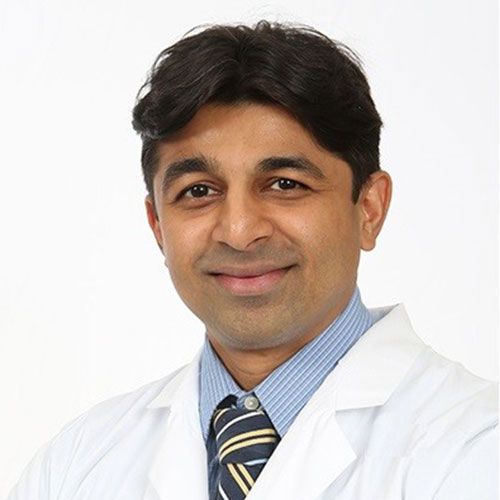
Saurabh Lalan
MD

Ashish Masih
MD

Desiree Ortiz-Cruz
MD
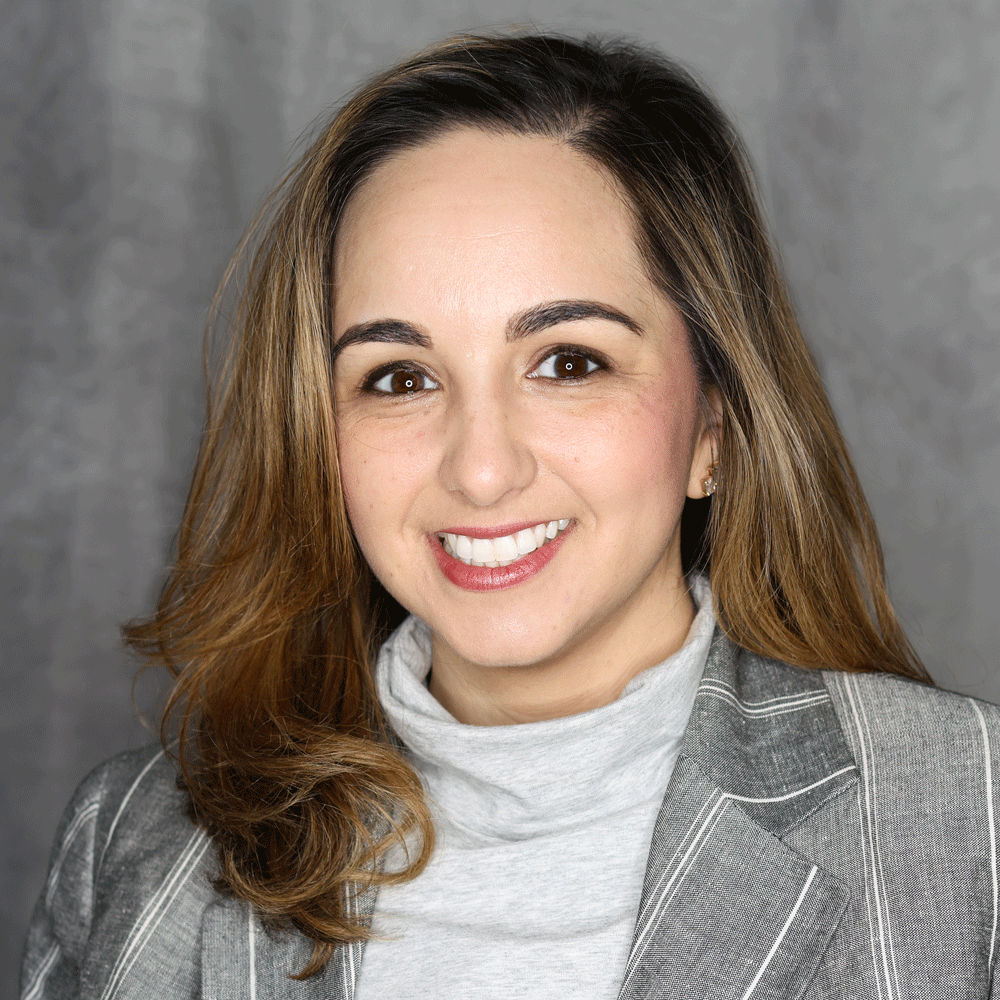
Brigitte Reina
MD
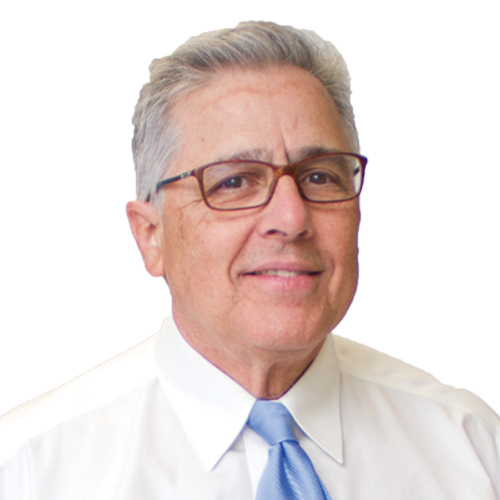
Luis Reina
MD
Contact Us

Phone
580.248.5255
Fax: 580.248.2036

Address
3201 W Gore Blvd, Suite 300
Lawton, OK 73505