Neurosurgery
Our History of Exceptional Patient Care
Memorial Health Neurology and Neurosurgery began in 2000 as The Spine and Neurosurgery Center in Lawton, OK. Our goal is to provide the highest level of care to every patient, and treat them as if they were a member of our own family.
Today, the neurosurgeons at Memorial Health bring together a diversity and depth of training received from medical programs across the United States. Each has exceptional skill in the latest, most innovative surgical techniques for neurological and spine disorders, including microsurgery, endoscopic surgery, minimally invasive spine surgery, complex and comprehensive spine surgery and non-operative management.
Brain Conditions
Stereotactic Computer Guided Craniotomy for Tumor Resection
A craniotomy is a surgery that removes part of the bone from the skull to expose the brain. Your Memorial neurosurgeon may perform a craniotomy for tumor resection (tumor removal). During this procedure, specialized tools remove the section of bone called the bone flap. The bone flap is replaced after the brain surgery is complete.
Ventriculoperitoneal Shunt
Ventriculoperitoneal shunting is a surgery performed to treat excess cerebrospinal fluid in the cavities of the brain (hydrocephalus). Hydrocephalus causes higher than normal pressure on the brain. It can also cause brain damage. Hydrocephalus can occur spontaneously or from trauma.Some older adults may develop a condition called normal pressure hydrocephalus or NPH.
Craniotomy for Removal of Hemorrhage
During this procedure, your Memorial Neurosurgeon removes a portion of the skull and conducts open surgery to repair a hemorrhage. This surgical procedure is usually the recommendation when the hemorrhage is very big, or when it’s compressing the brain stem, where critical functions are controlled.
Epidural Hematoma
An epidural hematoma (EDH) is bleeding between the inside of the skull and the outer covering of the brain (called the dura). An EDH is often caused by a skull fracture during childhood or adolescence. The membrane covering the brain is not as closely attached to the skull as it is in older people and children younger than 2 years. Therefore, this type of bleeding is more common in young people.
An EDH can also occur due to rupture of a blood vessel, usually an artery. The blood vessel then bleeds into the space between the dura and the skull.
Craniectomy for Chiari Malformation
Chiari malformation is an abnormality that causes part of the brain to extend into the upper spinal canal. During a craniectomy, your Memorial Neurosurgeon removes small sections of bone from the rear of the skull and spine to make more space for the brain tissue. Through this surgical method, your neurosurgeon hopes to relieve compression, control the progression of symptoms and restore the normal flow of cerebrospinal fluid.
Subdural Hematoma
A subdural hematoma is a collection of blood between the covering of the brain (dura) and the surface of the brain. It is most often the result of a head injury. Emergency surgery may be needed to reduce pressure within the brain. This may involve drilling a small hole in the skull to drain any blood and relieve pressure on the brain. Large hematomas or solid blood clots may need to be removed through a procedure called a craniotomy, which creates a larger opening in the skull.
Spinal & Neck Conditions
Anterior Cervical Discectomy and Fusion
Anterior cervical discectomy and fusion (ACDF) is a surgical procedure your Memorial Neurosurgeon may use to remove a herniated or degenerative disc in the neck. To reach and remove the disc, your surgeon makes an incision in the throat area. He or she then inserts a graft to fuse together the bones above and below the disc. Your surgeon may recommend ACDF surgery if medications or physical therapy fail to relieve your arm or neck pain caused by pinched nerves.
Spine/Back and Neck Surgery
Back surgery helps relieve some causes of back and neck pain, but it’s rarely necessary. Most back pain resolves on its own within three months.
Your Memorial Neurosurgeon may recommend back or neck surgery if more conservative treatments do not help and you have:
- Spinal stenosis compressing the spinal nerves
- A herniated spinal disk
- Neck and back pain which causes pain or numbness that goes down one or both arms or legs
- Spondylolysis (a defect)
- Spinal deformities (like scoliosis)
- Spinal instability
- Removal of a tumor in the spine
- Pinched nerve
Different types of back and neck surgery include:
- Discectomy
- Laminectomy
- Fusion
- Artificial disks
- Laminotomy
- Foraminotomy
Spinal Fractures
When a vertebra is fractured, bone fragments may pinch and damage the spinal nerves or spinal cord. Most spinal fractures occur from injuries. The results can affect you mildly or cause debilitating spinal cord damage. Often fractures heal without invasive treatment. Severe fractures, however, may need surgery to realign the bones.
Epidural Steroid Injections
An epidural steroid injection (ESI) is the delivery of powerful anti-inflammatory medicine directly into the space outside of the sac of fluid around your spinal cord. This area is called the epidural space.Your doctor may recommend ESI if you have pain that spreads from the lower spine to the hips or down the leg. This pain is caused by pressure on a nerve as it leaves the spine, most often due to a bulging disk. ESI is used only when your pain has not improved with medicines, physical therapy, or other nonsurgical treatments.
Artificial Cervical Disc/Arthroplasty
Everyday wear and tear, genetics and age can lead to disc damage and degeneration or herniation. Disc degeneration or herniation may cause pain, weakness, and numbness that spreads to the arms and shoulders. Artificial cervical disc replacement, or arthroplasty, is a surgical procedure to replace a damaged spinal disc with an artificial disc. An artificial disc supports the vertebrae while still allowing normal movements.
Lumbar Laminectomy
The lumbar spine is the lower region of the back, where the spine curves inward toward the abdomen. A lumbar laminectomy is a surgery to remove the lamina, the part of the bone that makes up a vertebra in the lumbar spine. Your Memorial Neurosurgeon may also use laminectomy to remove bone spurs or a herniated (slipped) disk in your spine. Lastly, the procedure can remove pressure from your spinal nerves or spinal cord.
Lumbar Fusion
Lumbar Fusion is a procedure that joins together two or more bones in the spine, removing the movement between them. This procedure is usually performed along with other surgical procedures of the spine. Your Memorial Neurosurgeon will recommend a Spinal Fusion to restore stability to the spine or eliminate painful motion.
Lumbar Instrumentation
Lumbar instrumentation occurs when a spinal surgery includes implants such as plates, rods, screws, cages, interbody devices, and hooks. Instrumentation immediately stabilizes the spine after surgery, adds strength, and helps to maintain proper alignment while fusion occurs. Some patients may need a brace after surgery to provide added support while healing.
Minimally Invasive Thoracic Laminectomy
The thoracic spine is the longest region of the spine. It runs from the base of the neck down to the abdomen. During a thoracic laminectomy, the lamina is removed. The lamina is a part of the spine that creates a “roof” over the spinal canal. This is a common procedure which gives your Memorial Neurosurgeon access to the spinal canal and relieves pressure on the spinal cord or nerve roots.
Whenever possible, your Memorial Neurosurgeon will perform minimally invasive surgical procedures. A minimally invasive thoracic laminectomy uses a smaller incision than what is required for the more invasive, open form of the procedure. Minimally invasive procedures often have easier and faster recovery times.
Lumbar Microdiscectomy
Lumbar microdiscectomy is a procedure to remove all or part of the cushion that helps support part of your spinal column (disks). During surgery, your Memorial Neurosurgeon removes herniated disc material that is pressing on a spinal cord or nerve root. Only some patients with a herniated disk need surgery.
Your doctor may recommend a microdiscectomy if you have a herniated disk and:
- Severe weakness in muscles of your arm, lower leg or buttocks
- Leg or arm pain or numbness that makes it hard to do daily tasks
- Pain that spreads into your buttocks or legs
- You are having problems with your bowels or bladder
Minimally Invasive Back Surgery
When back surgery is needed, your Memorial Neurosurgeon will perform Minimally Invasive Spine Surgery if possible. We are proud to offer minimally invasive surgical methods at Memorial Health System. Not all hospitals are equipped for Minimally Invasive Surgery. This type of surgery uses smaller incisions and often causes less harm to nearby tissues and muscles. The goals of Minimally Invasive Spine Surgery are less pain and faster recovery. Some of the types of surgeries your Memorial Neurosurgeon may perform using minimally invasive methods include laminectomy, lumbar discectomy and spinal fusion.
Cervical Laminectomy
Your Memorial Neurosurgeon may recommend a cervical laminectomy if you have cervical spinal stenosis, a narrowing of the cervical spinal canal. The cervical spine is the area of the vertebral column commonly known as the neck. Stenosis may be caused by a number of degenerative spine conditions, including wear and tear on the discs, bones and ligaments. A narrow spinal canal compresses the spinal cord and surrounding nerves. Compression may irritate a spinal nerve or nerves, causing radiculopathy. *link
Laminectomy is a surgical procedure in which your Memorial Neurosurgeon will remove the lamina. The lamina is the back part of a vertebra that covers your spinal canal. Laminectomy enlarges your spinal canal and relieves pressure on the nerves or spinal cord.
Other Conditions
Carpal Tunnel Release
Carpal tunnel release is a surgery to treat carpal tunnel syndrome, pain and weakness in the hand that is caused by pressure on the median nerve in the wrist. Carpal tunnel release is recommended when the muscles in your hand and wrist are getting smaller because the nerve is being pinched. During the operation, your surgeon cuts through the carpal ligament to make more space for the nerve and tendons.
Ulnar Nerve Decompression
The ulnar nerve causes the “funny bone” sensation when you hit your elbow. Damage to this nerve leads to a permanent numbness or tingling. Damage to the nerve also leads to loss of function in the muscles of the hand supplied to the ulnar nerve. Ulnar nerve decompression explores the region around the elbow through which the ulnar nerve passes. The goal of this procedure is to remove any compressive forces on it that are causing the nerve to function improperly.
Meet Our Providers

Mark Duncan
DO
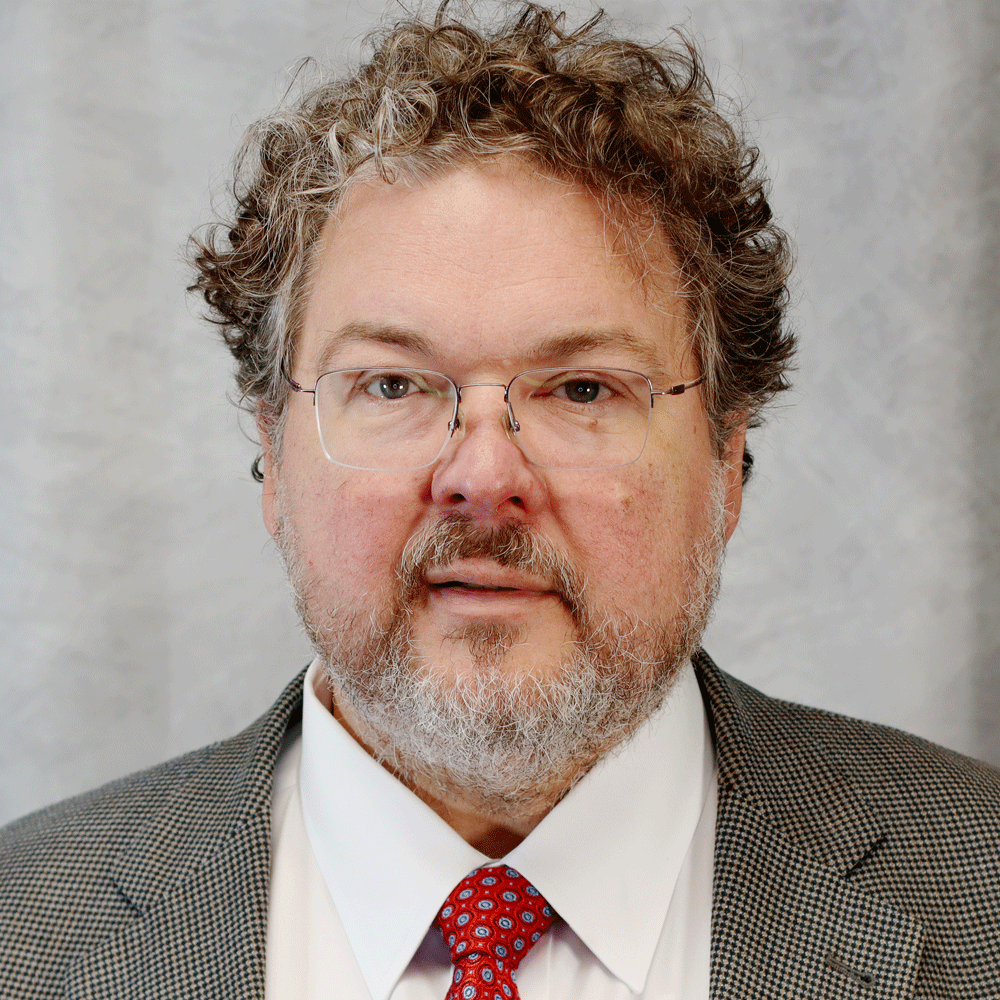
Christopher Neumann
MD

Stephen Ofori
MD
Lindsey Paterson
APRN-CNP
Contact Us

Phone
580.248.5255
Fax: 580.248.2036

Address
3201 W Gore Blvd, Suite 301
Lawton, OK 73505

Office Hours
Monday-Thursday: 8am-5pm
Friday: 8am-12pm