
Ear, Nose and Throat

Improving your quality of life
Our team of skilled specialists treats all conditions involving the ears, nose, and throat (ENT) for patients of all ages. From conditions like allergies and sleep apnea to procedures like ear tube surgery for children, your ENT specialist looks forward to improving your quality of life!
Abnormalities in the ears, nose, and throat can be painful, and symptoms can be difficult to manage from day to day.
Conditions Include:
Click below to learn more about the conditions in each category that our ENT specialists treat

Ear Conditions
Ear Infection/Ear Tube Surgery
Middle ear infections (otitis media) are common among young children. Middle ear infections often result after a child has a cold or other respiratory infection. Bacteria or viruses enter the middle ear and it fills with fluid or pus. As fluid pushes on the eardrum, it can cause pain and decreased hearing ability. Long periods of decreased hearing can lead to delayed speech development for young children.
Why might my Memorial ENT recommend ear tubes?
Your child may be a good candidate for ear tube surgery if:
- He or she has many ear infections that don’t clear up easily
- The ear infections seem to cause hearing loss or speech delay
What happens during ear tube surgery?
Ear tube surgery is also called myringotomy. A myringotomy occurs in an operating room while your child is under general anesthesia.
Ear tubes are tiny plastic or metal tubes. During surgery, a small hole is made in the eardrums to insert the tubes. The opening to the middle ear (the area behind the eardrum) lets air flow in and out. This keeps air pressure even between the middle ear and the outside, and helps to drain fluid that builds up behind the eardrum.
This simple procedure only takes about 15 minutes and ear tubes usually fall out on their own between 6 and 18 months, depending on the types of tubes your doctor uses.
Hearing Loss
Hearing slowly deteriorates with age and the majority of elderly adults have some hearing loss. Exposure to loud noises when not using hearing protection often accelerates hearing loss including:
- Concerts
- Firearms
- Power tools
- Heavy machinery
Is my hearing loss serious?
We recommend visiting with an Memorial ENT if you:
- Have difficulty following conversations due to hearing
- Must watch other people’s faces intently when you listen to them
- Feel irritated and/ or tired from the effort needed to follow conversations
- Receive complaints about your TV or music volume
- Feel that others don’t speak as clearly as they once did
- Experience dizziness, ear infections, or ringing in the ears
What causes hearing loss besides aging?
Hearing loss that results from problems with the structures in the ear are less common but includes:
- Birth defects
- Heredity
- Wax blockage
- A hole in the tympanic membrane
- Ear infections
Impacted Ear Wax Removal
Earwax helps keep your ears clean and germ-free. Most often, it passes out of the ears unnoticed. At times though, it can build up and block the ear canal.
What causes earwax build-up?
Some people regularly get blocked ears because they naturally produce excessive earwax.
Other factors include:
- Producing naturally hard or dry earwax
- Hairy and/ or narrow ear canals
- Drier earwax (This often occurs with age.)
- Bony growths in the outer part of the ear canal
- Frequently inserting objects into your ear canals, such as earplugs, hearing aids or cotton swabs.
What are the symptoms of ear wax build-up?
Earwax buildup can cause:
- Hearing loss
- Itchiness in or around the ear
- Tinnitus (ringing in the ears)
- Earache/ ear infections
- Vertigo (spinning sensation)
- These symptoms often improve once the excess earwax has been removed.
How will my Memorial ENT perform an impacted ear wax removal?
Your doctor can diagnose an impacted ear with an otoscope (an instrument that lights and magnifies your outer and middle ear).
Impacted ear wax removals are simple procedures that can take place in your doctor’s office. To remove excessive wax buildup, your Memorial ENT will use a small, curved instrument (curet) or by using suction.

Nose Conditions
Balloon Sinus Dilation (BSD) Procedure for Chronic Sinusitis
Patients suffering from chronic sinusitis experience swelling in the passages around the nasal cavities (sinuses). When other treatments are unsuccessful, your Memorial otolaryngologist may recommend Balloon Sinus Dilation.
BSD is an advanced surgical procedure used to treat sinusitis and other related problems using minimally invasive techniques. During BSD, a thin endoscope is inserted into the nose. A small balloon is then inflated to widen blocked passageways. This allows for proper drainage of sinus fluid.
Patients benefit from less bleeding and shorter recovery time with this procedure than other methods.
Deviated Nasal Septum
When the thin wall (nasal septum) between your nasal passages is displaced to one side, this is known as a deviated septum. For many people with this condition, this displacement causes one nasal passage to be smaller than the other. A blockage from a deviated septum can reduce airflow and cause difficulty breathing when this condition is severe.
What are the causes of a deviated septum?
A deviated septum may be present at birth. It can occur during fetal development or caused by an injury during birth. Those involved in contact sports should take precautions to avoid a deviated septum caused by an injury.
What are the symptoms of a deviated septum?
Many individuals never realize they have a deviated septum. However, the following symptoms may mean a medical intervention is necessary:
- Preference for sleeping on one side or difficulty sleeping
- Noisy breathing during sleep
- Facial pain
- Nosebleeds
- Obstruction of one or both nostrils
- Recurring sinus infections
- Dry mouth due to chronic mouth breathing
- Pressure in the nasal passages
How will my doctor diagnose a deviated septum?
A deviated septum is easy to diagnose. Your doctor will use a bright light and possibly an instrument known as a nasal speculum to spread open your nostrils. A long tube-shaped scope with a bright light at the tip may also help your doctor see farther into the nose. Your doctor may also look at your nasal tissues before and after administering a decongestant spray.
How will my Memorial ENT treat my deviated septum?
First, your doctor may try managing your symptoms that affect the tissues lining the nose. He or she may prescribe:
- Decongestants
- Antihistamines
- Nasal steroid sprays
If symptoms persist, you may consider a septoplasty surgery to correct your deviated septum. During this procedure, your nasal septum is repositioned and straightened. Your surgeon may need to cut and remove parts of your septum before repositioning.
Endoscopic Turbinate Reduction
There are three turbinates on each side of the nose. Their job is to clean and humidify the air as it moves through your nose to your lungs.
Why would my Memorial ENT recommend endoscopic turbinate reduction?
For patients with turbinate hypertrophy, the turbinates are too large and can cause nasal obstruction. Endoscopic turbinate reduction surgery should correct the problem by reducing the turbinate size while preserving their natural function. This should improve nasal breathing. It may also reduce nasal drainage and post nasal drip.
What should I expect from turbinate reduction surgery?
Your doctor may perform your surgery in conjunction with a surgical septoplasty. Your doctor will use an endoscope, a thin tube with a light at the end, during your surgery. This will improve visualization and provide a magnified view during surgery.
Your doctor makes an incision in the mucous membrane of the turbinate. He or she will then carefully remove the underlying bone of the turbinate. A microdebrider is used to thin the tissue around the turbinate. Alternately, your doctor may cauterize the tissue with radiofrequency or electrical current (cautery or radiofrequency surgery). Your doctor may also prescribe a saline spray solution to help with dryness and healing.
LATERA® Absorbable Nasal Implant Procedure
The LATERA® Absorbable Nasal Implant supports upper and lower lateral cartilage in your nose. Your doctor can place it inside the lateral (side) wall of the nose. It will help to support the cartilage, reduce nasal airway obstruction symptoms, and make breathing easier. The implant material absorbs in approximately 18 months.
Who benefits from the LATERA® Absorbable Nasal Implant procedure?
If you experience any of the following symptoms and they cannot be controlled by less invasive methods, your Memorial ENT may recommend this procedure to you:
- Nasal blockage or obstruction
- Nasal congestion or stuffiness
- Trouble sleeping
- Trouble breathing through your nose
- Unable to get enough air through your nose during exertion or exercise
- Having to pull on your face to allow easier breathing
What can I expect from the LATERA® Absorbable Nasal Implant procedure?
The LATERA® Absorbable Nasal Implant procedure only takes a few minutes to perform. The procedure is much less invasive than traditional surgical methods such as septoplasty or turbinate reduction surgery. Many patients experience immediate recovery and a dramatic difference in breathing.
Nasal Fracture
You may have a nasal fracture (broken nose) if an injury to the nose is accompanied by a combination of the following:
- Swelling
- Bleeding
- Pain
- Difficulty breathing
- Change in shape of the nose
How will my Memorial ENT treat my nasal fracture?
Some nasal fractures heal on their own. If the shape of the nose is unaffected, for example, medical attention may be unnecessary. In cases with larger fractures, your doctor will realign the nose.
To perform this procedure, your Memorial ENT will inject a local anesthetic. He or she then inserts a nasal speculum through the nostrils. Other speciality instruments are used to put the nose and cartilage back into place.
Your doctor may apply external and internal splints to help keep your nose in place while it heals.
In severe cases with bad or multiple breaks, surgery may be needed. If you have waited more than 14 days to seek medical attention, manual alignment may also be impossible. Surgery is typically performed on an outpatient basis
How will my doctor diagnose a nasal fracture?
Unless a physical exam is too painful, imaging tests are often unnecessary to diagnose a broken nose. However, if this is the case, a CT scan can be used. Your doctor will usually look inside the nose for signs of broken bones and press on the sides of the nose to confirm a fracture.
Nasal & Endoscopic Sinus Surgery
Endoscopic sinus surgery is a surgical procedure your Memorial ENT may use to remove blockages in the sinuses. Sinus blockages can cause sinusitis. When you have sinusitis, sinus mucous membranes swell and become blocked. This causes drainage, pain, and impaired breathing.
Why would my Memorial ENT recommend endoscopic sinus surgery?
Endoscopic sinus surgery can improve the drainage of your sinuses and airflow through the nose. After surgery, you should hope to expect the following:
- A reduction of sinus infections
- Less severe sinus infections
- Improved sinusitis symptoms
- Improved breathing through the nose
- Improved sense of smell
What should I expect during endoscopic sinus surgery?
Endoscopic sinus surgery is usually performed under general anesthesia. Your Memorial ENT inserts a thin, lighted camera rod (endoscope), to easily view and magnify the sinus tissues. He or she then uses various instruments to remove the causes of sinus blockage such as scar tissue and nasal polyps.
Your doctor may also straighten the septum and reduce the size of the turbinates (small structures inside the nose that cleanse and humidify air) if needed.
You should be able to go home that day since no incision is needed for this surgery.

Throat Conditions
Chronic Sore Throat
What are the causes of a chronic sore throat?
Sore throats can cause pain, hoarseness, a scratchy sensation, and burning upon swallowing. When a sore throat is persistent, there are a variety of non-threatening and serious problems that could be the cause such as:
- Allergies
- Postnasal drip
- Mouth breathing
- Acid Reflux
- Tonsillitis
- Mono
- Environmental pollution
- Gonorrhea
- Tonsil abscess
- Smoking
How will my Memorial ENT treat my chronic sore throat?
Treatment for chronic sore throat will vary based on the underlying cause of your condition. For example, if seasonal allergies are causing your sore throat, your doctor could prescribe an allergy medicine, nasal spray, or allergy shots. Your doctor may prescribe antibiotics or steroid medications to relieve the swelling and pain from certain infections.
In cases involving acid reflux, your doctor might prescribe antacid medication.
For more severe conditions such as a peritonsillar abscess or advanced infection, you may have to be hospitalized to receive antibiotics through an IV.
Your doctor may surgically remove chronically swollen tonsils that impair daily sleeping and/ or breathing.
Coblation Tonsillectomy & Adenoidectomy
At the back of the throat, you have two oval-shaped pads of tissue known as the tonsils. Behind the nasal passages, you will find the adenoids. Adenoids are a mass of lymphoid tissue. Your doctor may recommend removing the tonsils and adenoids to open your airway and reduce the tendency for chronic throat infections and chronic sore throat.
What are Coblation tonsillectomy and adenoidectomy?
A coblation-assisted tonsillectomy and adenoidectomy is a gentle alternative to traditional tonsillectomy and adenoidectomy procedures. Coblation stands for controlled ablation. It involves radiofrequency at a low temperature. It also uses a saline solution to remove the tissues in a gentle manner. The risk of injury to surrounding tissue is lessened as a result.
Coblation tonsillectomy and adenoidectomy is typically an outpatient procedure. Many patients resume their normal lifestyle within a week.
Hoarseness
Hoarseness (dysphonia) is the term we most often use to describe impaired voice production. It is a common problem and symptom of a change in your voice quality including pitch, the vocal effort required to speak, and volume.
Symptoms of hoarseness are related to problems in the sound-producing parts (vocal folds or cords) of the larynx or voice box. When hoarse, your voice sounds weak or raspy.
What Causes Hoarseness?
Hoarseness is a common symptom of many diseases. Most cases are related to upper respiratory tract infections that resolve on their own. If you have been hoarse 4 weeks or more, an appointment with an Memorial ENT may be advisable. Other causes include:
- Voice overuse
- Age-related changes
- Allergic laryngitis (inflammation of the larynx due to allergies)
- Acid reflux
- Head and neck cancer
- Neurological conditions
- Medication side effects
- Smoking and secondhand smoke
- Intubation (the process of inserting a tube through the mouth and into the airway)
- Postsurgical injuries
How will my Memorial ENT diagnose the cause of my hoarseness?
Your doctor will complete a physical exam including a full head and neck exam. He or she will ask about your medical history, including your medications, whether you smoke, and about other symptoms. Depending on the findings of your physical exam and other symptoms, your Memorial ENT may order additional tests such as a computed tomography (CT) scan, biopsy, or magnetic resonance imaging (MRI).
How will my Memorial ENT treat my hoarseness?
Hoarseness is often treated by resting the voice or modifying how it is used. Voice therapy or surgery are other options when these treatments are not effective.

Other Conditions
Allergic Rhinitis
Allergic rhinitis is commonly known as hay fever. However, this name is misleading as it often has nothing to do with hay or developing a fever. Allergic rhinitis occurs when the immune system becomes sensitive to something in the environment and overreacts.
Symptoms of allergic rhinitis include:
- Itchy skin, eyes or mouth
- Runny nose
- Sneezing
- Coughing
- Puffiness or swelling in the eyes
- Congestion
- Fatigue (often due to poor sleep as a result of nasal obstruction)
What triggers allergic rhinitis?
- Irritants: diesel exhaust, cigarette smoke, perfume
- Outdoor allergens: pollen from trees, weeds, and grass
- Indoor allergens: mold, dust mites, pet hair or dander
How will my otolaryngologists diagnose allergic rhinitis?
Your doctor will start by asking questions about your lifestyle, symptoms and other medical conditions. Certain conditions like nasal polyps or a deviated septum (curvature of the bone and cartilage that separates the nostrils) may complicate allergic rhinitis.
How is allergic rhinitis treated?
The most important step in treatment will begin with making lifestyle changes to avoid the triggers of your allergic rhinitis.
Your doctor may also prescribe one of a combination of the following types of medications:
- Intranasal corticosteroids
- Antihistamines
- Decongestants
- Nasal sprays
- Leukotriene pathway inhibitors
- Eye drops
Facial Skin Lesions
A skin lesion is part of the skin that has grown abnormally or looks different compared to the skin around it. Skin lesions may be present at birth or acquired over your lifetime. Some skin lesions evolve from primary lesions or develop as a consequence of your lifestyle. For example, skin cancer melanoma results from sun exposure.
Your Memorial ENT can diagnose all types of facial lesions while screening for facial skin cancer.
What causes facial lesions?
When mutations in the skin cells cause them to grow out of control, facial skin cancers occur. Ultraviolet radiation from sunlight and tanning beds is often the cause.
How do I know if a facial lesion is cancerous?
Always discuss any changes your notice in patches of skin with your doctor or new patches of skin that develop and look different than the rest of your skin.
Here are descriptions of the most common types of facial lesions that can develop:
- Basal cell carcinomas appear as a flat, flesh-colored lesion; pearly, waxy bump; or are brown and scar-like. They affect the scalp, face, and ears.
- Melanomas can be moles that change in color, size, or bleed; lesions with irregular borders and parts that appear blue-black, blue, red or white; brownish spots with dark speckles; and dark lesions on the mucous membranes of the nose and mouth. They can occur anywhere but are very common on the neck or head.
- Squamous cell carcinomas may be firm, reddish nodules, or flat lesions with a scaly or crusty surface. They often occur on the ears, lips, and face.
How will my Memorial ENT treat my facial lesions?
Treatment for facial skin cancer depends on the size, type, and location of the lesions, as well as your overall health. Your doctor may be able to remove smaller lesions on the skin’s surface with a simple skin biopsy. When detected early, other superficial skin cancers can often be removed by vaporizing with laser therapy or freezing with liquid nitrogen.
Excisional surgery for larger growths may need to be performed in the operating room as an outpatient procedure.
Radiation therapy or chemotherapy may be recommended. Chemotherapy for skin lesions involves using creams or lotions that contain cancer-killing drugs. This treatment is effective in cancers confined to the top layer of skin.
For cancers that spread to other parts of the body, systemic chemotherapy is usually effective.
Sleep Apnea
Sleep apnea is a sleep disorder that is potentially serious. Patients with this condition repeatedly stop and start breathing. Sleep apnea is caused by the brain not sending proper signals to the muscles, the throat muscles improperly relaxing, or a combination of the two. ENTs typically treat obstructive sleep apnea, which is the form of this condition caused by the relaxing throat muscles.
How will my doctor diagnose sleep apnea?
Your doctor will evaluate your symptoms and ask questions of those familiar with your sleep habits. They will likely refer you for a sleep study.
If you have obstructive sleep apnea, your Memorial ENT will evaluate you to rule out a blockage in your nose or throat.
What are the symptoms of sleep apnea?
The most common signs of sleep apnea include:
- Loud snoring
- Gasping for air during sleep
- Episodes in which you stop breathing during sleep (observed by someone else)
- Irritability
- Difficulty paying attention while awake
- Morning headache
- Awakening with a dry mouth
- Difficulty staying asleep (insomnia)
- Excessive daytime sleepiness (hypersomnia)
- Feeling sleepy after a full night of rest
How will my Memorial ENT treat my obstructive sleep apnea?
If your obstructive sleep apnea is mild, your doctor may recommend certain lifestyle changes such as:
- Exercising regularly.
- Not sleeping on your back.
- Losing weight if you’re overweight.
- Drinking alcohol moderately, if at all.
- Not drinking several hours before bedtime.
- Quit smoking.
- Using nasal decongestants or allergy medications.
If these measures don’t improve your sleep, or if your apnea is moderate to severe, then your doctor may recommend other treatments. Certain devices can help open up a blocked airway such as mouthpieces and CPAP machines.
In other cases, surgery may be necessary.
Neck Masses
A variety of masses may develop in your head or neck. These masses may also be called growths, lumps, or tumors. While some masses are cancerous, many are not. It is important to see your physician if any abnormal lumps persist for more than two weeks. Early detection provides the highest chance of successful treatment if cancer is present.
What causes head or neck masses?
The causes of head and neck masses can include:
- Benign masses
Benign masses will not spread to the surrounding tissue. They are also not cancerous. Benign masses can be serious though if they impact nerves or exert pressure in the head and neck. These include thyroid masses, cysts, vascular masses, and salivary gland masses. - Enlargement of lymph nodes
Lymph nodes can enlarge when the body works to fight infection. When an infection recedes, lymph swelling decreases as well. Enlarged lymph nodes are the most common cause of new neck masses. - Cancers
Malignant head and neck masses can spread to surrounding tissue or to other parts of the body. Tumors may be either primary or secondary.
Primary tumors originate in the head or neck. This includes the throat, thyroid, salivary gland, larynx, brain or other areas. Typically, primary tumors of the head and neck spread to the lymph nodes in the neck. The majority of head and neck cancers are caused by tobacco and alcohol use. Those exposed to radiation should be screened yearly for thyroid cancer.
Secondary cancers are tumors that spread from primary tumors into other parts of the body to the neck or head. Oftentimes, secondary tumors of the neck originate in the kidney, lung, breast, or from skin cancers.
What symptoms should I be aware of?
You should see your doctor if you notice any of the following symptoms:
- A growth in the mouth.
- A change in your voice including persistent hoarseness.
- A persistent lump in the neck not associated with an infection such as the flu or a cold.
- Tongue swelling.
- Unexplained weight loss.
- Bloody saliva or phlegm.
- Difficulty swallowing.
- Ear pain that is persistent or when swallowing – this may be a symptom of growth in the throat or infection.
How will my Memorial ENT treat my symptoms?
A physical examination of some masses may allow a physician to identify their cause. Otherwise, additional tests may be needed including:
- PET (Positron Emission Tomography) and SPECT (Single Photon Emission Tomography)
These tests are useful after diagnosis to help determine the grade of a tumor. They may also distinguish between dead scar tissue and cancer. These tests are performed with injections with a radioactive tracer. - Biopsy
A tissue sample is examined under a microscope to determine if it is benign or malignant. Your doctor will most likely remove a benign neck mass or cysts by surgical excision. Treatment by some combination of chemotherapy and surgery may be used, or radiation therapy, depending on nature. - CT Scan
Computed Tomography (CT) combines sophisticated x-ray and computer technology. It helps locate tumors and determine their types, detect swelling or bleeding, and evaluate the effects of treatments. Injected iodine dye contrast material may be used to enhance the visibility of abnormal tissue during CT scans. - MRI
Magnetic Resonance Imaging clearly shows brainstem masses, tumors near bones, and small tumors. MRI uses a magnetic field instead of x-ray radiation.
Meet Our Providers

Candace Flournoy
APRN-CNP
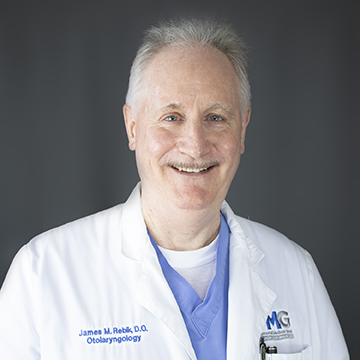
James Rebik
DO

Dale Smith
DO
Contact Us

Phone
580.250.6555
Fax: 580.354.5942

Address
3401 W Gore Blvd, Suite 103
Lawton, Oklahoma 73505

Office Hours
Monday-Thursday: 8am-5pm
Friday: 8am-12pm