
Emergency Care
If you are experiencing a medical emergency, please call 580.585.5555
Currently our ambulance services cover Comanche County including Cache, Indiahoma, Chattanooga, and the Wichita Mountains Wildlife Refuge
Your Trusted Source for Emergency Care in Southwest Oklahoma
When it comes to emergency care, Memorial Health System of Southwest Oklahoma offers two locations to serve you: the Drewry Family Emergency Center at Memorial Health, and the emergency department at Memorial Health Southwest.
Both are full-service emergency departments staffed with highly skilled physicians, heart doctors, nurses, and other emergency personnel trained in basic and advanced life support. We combine state-of-the-art medical care with a personal touch, at whichever location is closest to you.
Our Level III Trauma Center is prepared to handle a wide range of emergency situations. From major trauma to minor lacerations and bumps and bruises, it is important that patients arriving at either of our emergency departments receive care that is fast, efficient, and provided in a comfortable and healing environment.
Memorial Health System of Southwest Oklahoma has made a significant investment in upgrading its emergency care capabilities, a medical field that has experienced dramatic growth over the last decade. Significant technological developments have made it possible to concentrate the efforts of physicians, nurses, and support staff, allowing for efficient evaluation and treatment of all emergency patients across both locations.
In addition to these staffing and technological investments, we have remodeled and expanded our emergency and trauma facilities to ensure patients and staff interact in the best possible environment, wherever they walk through our doors.
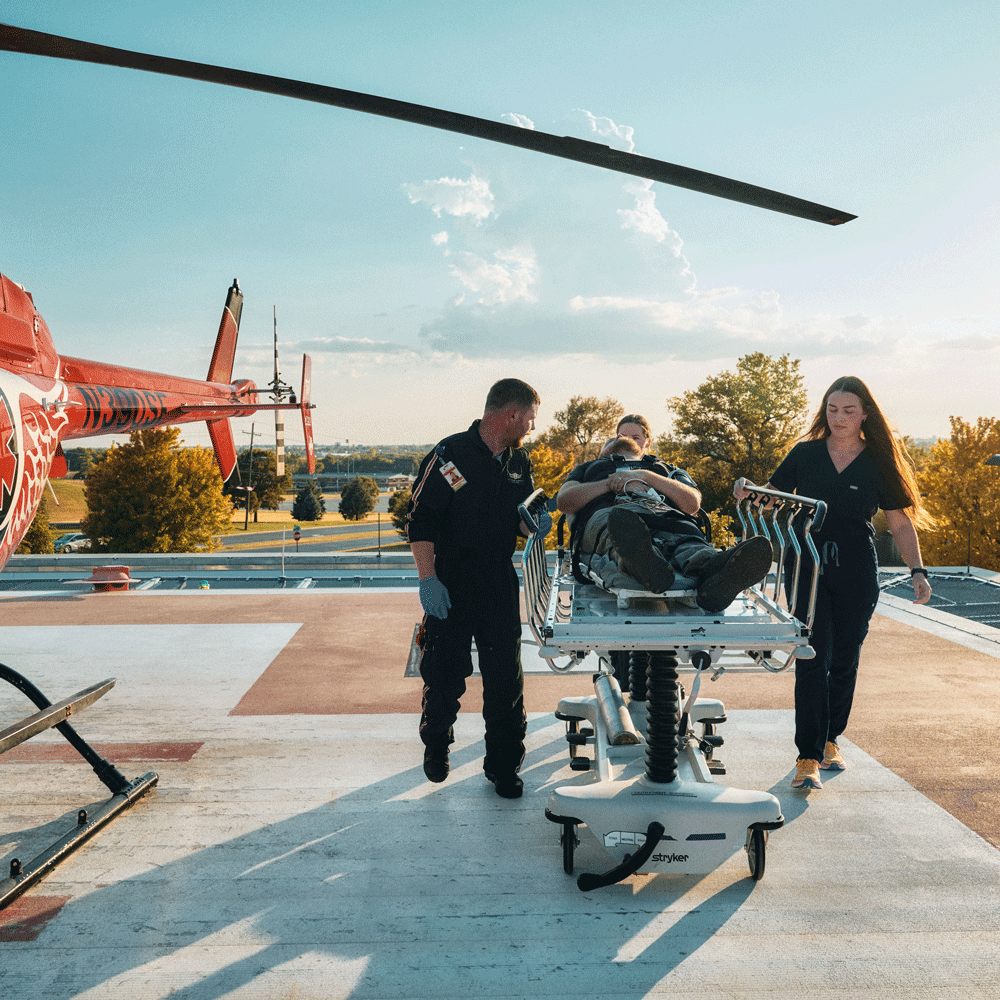
Emergency Conditions Include:

Immediate onset of symptoms, including severe pain
Sudden or extreme difficulty breathing
Bleeding that will not stop
Major burns
Sudden or extended loss of consciousness
Suspected heart attack or stroke
Reasonable belief immediate medical attention is necessary to avoid damage to organs or your health
Other serious conditions could be considered emergencies if they require immediate treatment to prevent serious complications. Examples include deep cuts, broken bones, chest pain, seizures, and suspected poisoning. Sudden onset of severe headache or abdominal pain may also be considered emergencies.
Important Medical Information
Nearly one out of every three Americans visits the emergency room each year. Sometimes you might need to go to the ER for a minor cut or burn. In these cases, you can easily answer any questions the doctors may have about your medical history. But if you are seriously hurt and can’t speak for yourself, doctors need to access important health information in order to properly treat your condition. By carrying emergency medical information at all times, you can make sure your personal medical history and related information are always readily available.
You should complete and continually update the following medical information forms with the most current information in case you have to go to the ER. These forms include vital information that can be used to effectively treat you or a loved one in an emergency.
Medical Identification Card
You should carry a medical identification card in your wallet or purse. The card should contain your personal medical history (see below), your health insurance information, and the name and number of your primary care physician. If you have a special health condition, like epilepsy, consider wearing some type of medical identification jewelry. Emergency doctors are trained to look for these forms of identification before treating a patient.
Medical Contact Information
Keep the name and number of someone the ER doctors can call when you go to the hospital.
Medical Consent to Treat Form
Anyone who comes to the ER will always receive life-saving care, but it’s important to authorize someone to make medical decisions should you be unable to do so because of illness or injury. This form is especially important for parents who keep their children in daycare. By completing this form, you designate a particular person to make decisions about medical care for you or a family member.
Personal Medical History
Make a list that contains information related to prescription medications, medical problems or previous surgeries, pertinent family history and contact information for people the doctors can call in an emergency.
Knowing Your Loved One’s Medical Information in Case of An Emergency
By writing down the medical information of everyone in your family, you can be sure the ER doctors have the correct information for treatment. Experts recommend you have the following information up to date for each member of your family in case of an emergency:
Allergies
Write down the allergies of each member of your family, including any adverse reactions to penicillin or antibiotics. Be sure to include any allergies to food as well. Some people have a latex allergy, which is important to know if those treating you intend to wear latex gloves.
Pre-Exsiting Conditions
Note if you or anyone in your family has asthma, diabetes or heart disease. Having these conditions can help determine what kind of treatment you will receive in the ER.
Medications
Your medical record should also include a list of any medications, including their dosages, which you and your family members take on a regular basis. Some medications react badly when they are taken together, so the ER doctors need this information before they give you any other medications.
Height & Weight
It’s also a good idea to include the current height and weight of every family member, including yourself, in your record. Although weight can change over time, it is important to include this since it may enable doctors to more accurately calculate the appropriate dosage of medication needed.
Blood Type
If you know your blood type, it is helpful to include this in the medical record. If you need an emergency blood transfusion, your doctors will use type O negative, which is compatible with all blood types.
Immunizations
Keeping an up-to-date record of immunizations can help ER doctors diagnose a problem quickly, allowing them to rule out certain diseases or conditions if they know you have recently been immunized against them. Include your entire immunization history from childhood to the present in your record.
If you are experiencing a medical emergency, please call 580.585.5555
Currently our ambulance services cover Comanche County including Cache, Indiahoma, Chattanooga, and the Wichita Mountains Wildlife Refuge
Contact Us

Drewry Family Emergency Center
1301 SW 30th Street
Lawton, OK 73505

Memorial Health Southwest Emergency Center
5602 SW Lee Blvd
Lawton, OK 73505